


You are likely here because you want clarity. Diamonds are no longer limited to mines and distant supply chains. Technology now creates stones that look and perform like mined diamonds. The language around them is confusing. Sellers often mix terms. Buyers often assume differences that do not exist. This article explains lab-grown diamonds vs real man made diamonds in plain terms. You will learn what each term means. You will also learn how to decide which option fits your needs.
What the terms actually mean
The phrase real diamond refers to the crystal structure and chemical makeup. A real diamond is carbon arranged in a specific lattice. That definition includes stones made in the earth and stones made in a lab.
Man made diamond and lab-grown diamond describe the same material. Both are real diamonds. The difference is origin only. One forms underground over long periods. The other forms in controlled conditions over weeks.
Confusion arises when people use real to mean mined. That use is common but not accurate. When you compare lab-grown diamonds vs real man made diamonds you are comparing two labels for the same thing. The real comparison is between lab-grown diamonds and mined diamonds.
How lab-grown diamonds are made
Lab-grown diamonds are created using two main methods. One is High Pressure High Temperature. The other is Chemical Vapor Deposition.
In the first method carbon is exposed to high heat and pressure. These conditions mimic the earth. In the second method carbon gas is broken down and deposited layer by layer on a diamond seed.
Both methods produce crystals with the same structure as mined diamonds. The growth environment is controlled. This allows consistency and reduces defects when done well.
How mined diamonds are formed
Mined diamonds form deep within the earth. Heat and pressure act on carbon over very long periods. Volcanic activity later brings them closer to the surface. Mining then extracts the rough stones.
Each mined diamond carries natural variation. Inclusions and color differences are common. No two stones are the same. This natural history is part of their appeal for some buyers.
Physical and optical properties
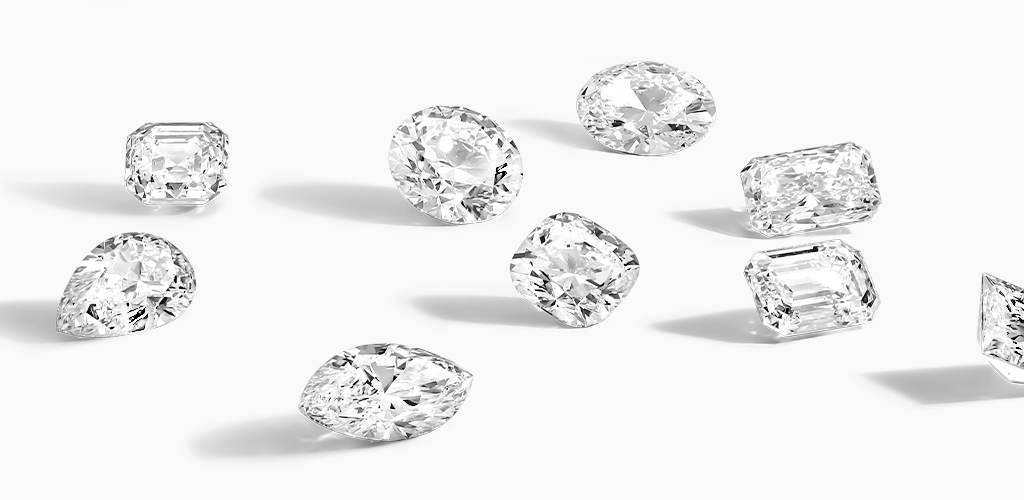
You may wonder if a lab-grown diamond looks different. It does not. Both types have the same hardness. Both rate a 10 on the Mohs scale. Both refract light in the same way. Professional gemologists need advanced tools to tell them apart. Even then the difference is based on growth patterns and trace elements. To your eye and to daily wear there is no difference.
This is a key point when thinking about lab-grown diamonds vs real man made diamonds. The comparison is not about quality. It is about perception and context.
Certification and gradingman made diamonds
Reputable labs grade lab-grown diamonds using the same criteria as mined diamonds. Cut color clarity and carat weight still apply. Reports clearly state the origin. You should always ask for a grading report. Look for respected grading institutions. Check that the report number matches the stone.
This step protects you. It also allows fair comparison across stones regardless of origin.
Price and cost structure
Lab-grown diamonds usually cost less. The reason is production control and supply. Mines are limited and costly to operate. Labs can scale output.
Price differences can be large. You may pay 30 to 60 percent less for a lab-grown stone with the same visual quality. This allows you to choose a larger or better cut diamond for the same budget.
Lower cost does not mean lower quality. It means a different cost base. If price matters to you and for most buyers it does then lab-grown options deserve attention.
Ethical and environmental factors
Mining has social and environmental impacts. These vary by region and operator. Some mines follow strict standards. Others do not. Lab-grown diamonds avoid mining. They still use energy and materials. The impact depends on power sources and manufacturing practices. Some producers use renewable energy. Others do not.
If ethics matter to you ask questions. Request details about sourcing and production. Do not rely on vague claims.
Durability and daily wear
Both lab-grown and mined diamonds are durable. You can wear them daily. They resist scratching and damage. Care is the same. Clean with mild soap and water. Avoid harsh chemicals. Check settings over time. There is no special maintenance for lab-grown stones. Treat them as you would any fine diamond.
Resale and long term value
This area requires honesty. Mined diamonds have an established resale market. Even then resale prices are often lower than retail.
Lab-grown diamonds have a younger resale market. Prices have declined over time as production increased. Resale values tend to be lower.
If you buy a diamond as an investment you should reconsider. Diamonds are personal items. Their value is emotional and functional. Choose based on use and meaning not future sale.
This is an important consideration when weighing lab-grown diamonds vs real man made diamonds. The difference lies in market behavior not in the stone itself.
Design and customization
Lab-grown diamonds offer flexibility. You can often find matching stones. This helps with earrings and complex designs. Custom cuts and sizes are easier to source. Lead times are shorter. Designers can plan with more certainty. If you want a specific look or symmetry this can matter. Mined diamonds are limited by what nature provides.
Common myths to ignore
One myth is that lab-grown diamonds are fake. They are not. They are chemically and physically real diamonds. Another myth is that they do not last. They last just as long. Some believe mined diamonds hold value better in all cases. This is not always true. Resale depends on many factors including cut and brand.
Avoid advice that relies on tradition alone. Focus on facts and your priorities.
How to choose what fits you
Start with your budget. Decide what you are comfortable spending. Next decide what matters most. Size cut origin or price.
If you value natural origin and rarity mined diamonds may appeal to you. If you value cost control and design freedom lab-grown diamonds may suit you better.
Ask to see stones side by side. Look at them under normal light. Choose what you like not what you think you should like. This approach cuts through confusion around lab-grown diamonds vs real man made diamonds.
Final thoughts
The diamond world has changed. You now have real choices. Language can obscure those choices. Facts clarify them. Lab-grown and mined diamonds share the same essence. The differences are origin cost and market perception. When you understand this you can buy with confidence.
Focus on what the diamond means to you. Make a decision based on clear information. That is the most practical path forward.