


When it comes to fine jewelry—especially engagement rings—shoppers often find themselves comparing diamond vs moissanites. Both gemstones share a sparkling brilliance, but they differ in origin, durability, price, and overall appeal. With the rising popularity of lab diamonds, the conversation around ethical sourcing and affordability has become even more interesting.
In this article, we’ll break down the similarities and differences between diamonds, moissanite, and lab-grown diamonds so you can make a more informed choice.
What Are Diamonds?
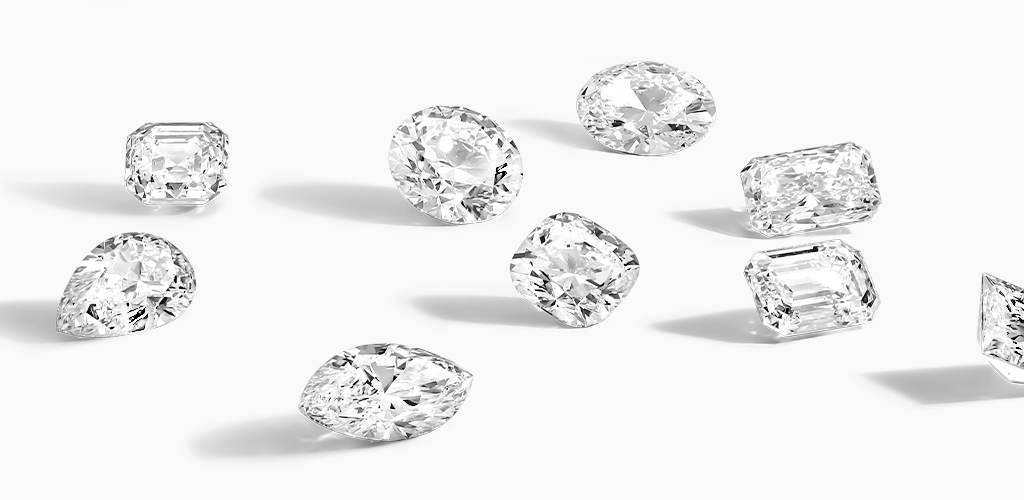
Diamonds are natural gemstones formed deep within the Earth under extreme heat and pressure over billions of years. They are renowned for their hardness, brilliance, and symbolism of everlasting love. Traditionally, diamonds have been the most popular choice for engagement rings and fine jewelry, often associated with luxury and prestige.
What Is Moissanite?
Moissanite is a gemstone first discovered in a meteor diamond vs moissanites crater. While extremely rare in nature, it is now created in laboratories. Known for its high brilliance and fire (the rainbow flashes it gives off), moissanite is often chosen as a diamond alternative. It offers durability close to diamonds, but its visual characteristics and price set it apart.
Diamond vs Moissanites: Key Differences
1. Brilliance and Appearance
-
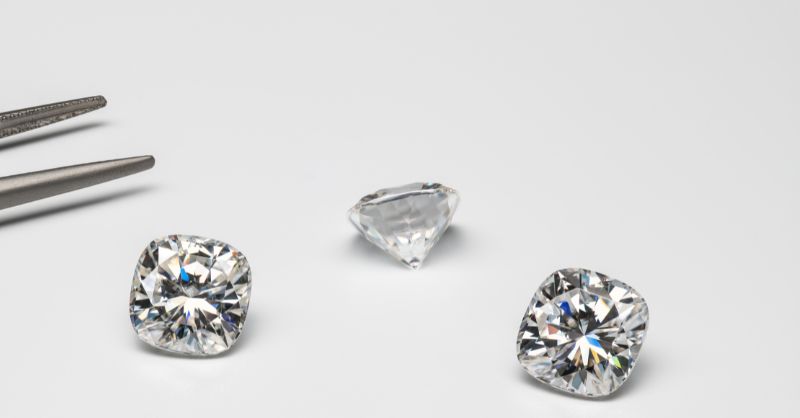
Diamonds reflect light in a sharp, classic sparkle.
Moissanite tends to display more rainbow-like flashes, which some people love, while others find it less natural compared to a diamond’s sparkle.
2. Hardness
- Diamonds score a perfect 10 on the Mohs scale, making them the hardest known natural material.
- Moissanite ranks 9.25, still highly durable and suitable for daily wear.
3. Price
- Diamonds—especially natural ones—are significantly more expensive.
- Moissanite costs a fraction of the price, making it an attractive option for budget-conscious buyers.
4. Origins
- Diamonds can be either mined or lab-grown. Mined diamonds sometimes raise ethical and environmental concerns.
- Moissanite is always lab-created, making it a sustainable choice.
The Role of Lab Diamonds
In recent years, lab diamonds have changed the way people shop for fine jewelry. Unlike moissanite, lab diamonds are chemically and physically identical to mined diamonds. They offer the same sparkle, hardness, and beauty but are grown in controlled environments using advanced technology.
Benefits of Lab Diamonds:
- Eco-Friendly: No destructive mining practices involved.
- Affordable: Typically 30–40% less expensive than mined diamonds.
- Ethically Sourced: Free from concerns related to conflict or “blood diamonds.”
Because of these advantages, lab diamonds bridge the gap between the timeless beauty of natural diamonds and the budget-friendly appeal of moissanite.
Which One Should You Choose?
The choice between diamond vs moissanites (and considering lab diamonds) ultimately depends on your values and budget.
- Choose Natural Diamonds if tradition, rarity, and long-term value are your top priorities.
- Choose Moissanite if you want maximum sparkle at an affordable price without compromising on durability.
- Choose Lab Diamonds if you want the authenticity of a real diamond with ethical sourcing and cost savings.
Final Thoughts
The debate of diamond vs moissanites isn’t about which is better overall—it’s about which gemstone fits your lifestyle and values. With the introduction of lab diamonds, buyers now have more options than ever to find a stone that balances beauty, durability, ethics, and price.
Whether you prefer the timeless prestige of diamonds, the fiery brilliance of moissanite, or the sustainable elegance of lab-grown diamonds, each option carries its own unique charm.