


In Australia, we like to think of ourselves as practical people. We ask questions. We compare. We don’t buy into hype easily. And yet, when it comes to diamond rings, practicality and emotion sit side by side in a way few other purchases manage.
I’ve spent years writing about lifestyle, design, and consumer choices, and diamond rings keep coming up — not just as symbols of romance, but as reflections of changing values. Sustainability, individuality, ethics, longevity. These days, a ring has to tick more boxes than it used to.
So let’s talk about what a diamond ring really represents now, how people are choosing them, and why the conversation around diamonds feels very different to what it was even a decade ago.
Why Diamond Rings Still Matter (Even When Trends Change)
Well, you might not know this, but diamond rings weren’t always the default symbol of commitment. That tradition grew slowly, shaped by culture, marketing, and social shifts. Yet somehow, through all that, diamonds stuck.
Maybe it’s their durability — the fact that they’re built to last. Or maybe it’s the way they catch light unexpectedly, even in low-key moments. I’ve seen diamond rings sparkle just as brightly under café lighting as they do at formal events. There’s something reassuring about that consistency.
But today’s buyers aren’t just asking how much or how big. They’re asking:
-
Where did this come from?
-
What does it say about us?
-
Does this align with our values?
And that’s where the modern diamond ring story gets interesting.
From Mine to Market — Or Not at All
For a long time, the journey of a diamond was murky. You bought it, admired it, and rarely thought about its origins. That’s changed — and frankly, it needed to.
Australians, in particular, are far more conscious consumers than we sometimes give ourselves credit for. Ethical sourcing, environmental impact, and transparency aren’t fringe concerns anymore; they’re part of everyday purchasing decisions.
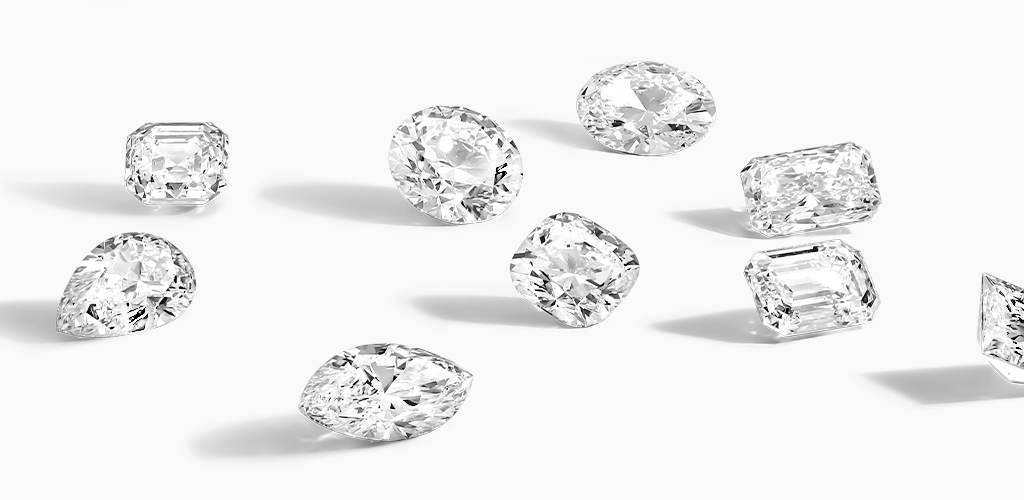
This shift has opened the door to alternatives that once sat on the sidelines. One of the most talked-about options right now is lab grown diamonds, which are chemically and visually identical to mined stones but created in controlled environments.
I was sceptical at first — I’ll admit that. But after speaking with jewellers and gem experts, it became clear that the hesitation was emotional, not factual. Once people understand what these diamonds actually are, the conversation shifts from “are they real?” to “why wouldn’t you consider them?”
If you’re curious about how these stones are being embraced for meaningful gifting moments, this guide on lab grown diamonds breaks it down in a refreshingly human way.
Choosing a Diamond Ring Isn’t About Rules Anymore
There was a time when buying a diamond ring felt like sitting an exam. Cut, colour, clarity, carat — memorise the four Cs and don’t deviate.
Now? It’s more like curating something personal.
Some people want minimalist solitaires that feel timeless. Others lean toward vintage-inspired settings with intricate detailing. I’ve noticed more Australians choosing rings that don’t scream for attention but feel deeply “them”.
And here’s something I love seeing: couples shopping together.
Gone is the idea that the ring must be a total surprise. Many partners are choosing collaboratively, talking openly about budgets, styles, and even stone origins. It’s less about theatrics and more about shared intention — which, honestly, feels healthier.
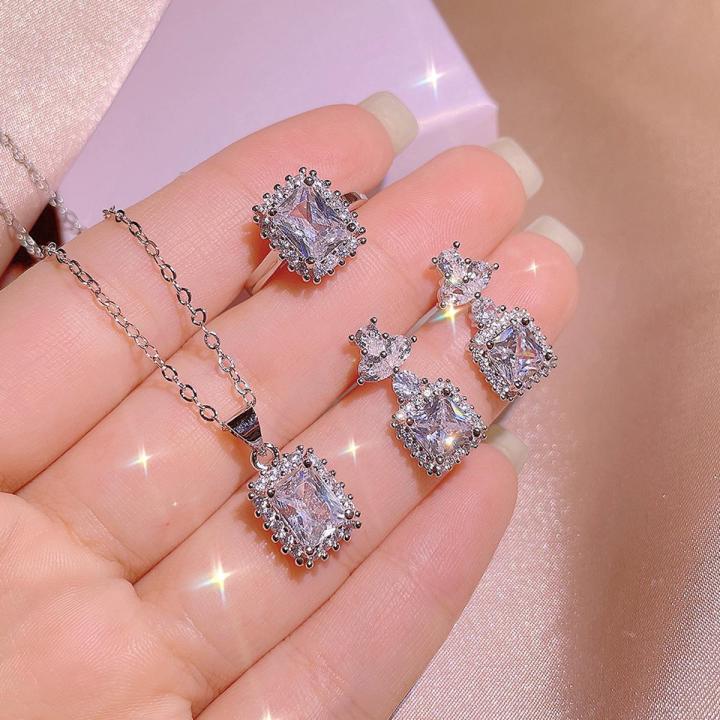
For anyone exploring custom or modern options, this curated diamond ring collection is a good example of how far design flexibility has come without losing craftsmanship.
Lab-Grown Diamonds: The Quiet Revolution
Let’s talk plainly for a moment.
Lab grown diamonds aren’t a trend — they’re a response.
They answer questions people were already asking: Can luxury be ethical? Can beauty exist without excess? Can something still feel special if it’s made differently?
From a visual and structural standpoint, lab grown diamonds are identical to mined ones. They sparkle the same. They last the same. They’re graded by the same gemmological standards.
The difference is in the story.
For some buyers, choosing lab grown is about sustainability. For others, it’s about access — being able to invest in a higher quality stone without stretching finances uncomfortably. And for many, it’s simply about feeling good about what they’re wearing.
What surprised me most was how emotionally attached people still feel to these rings. The idea that meaning only comes from geological rarity doesn’t hold up when you see how thoughtfully these pieces are chosen.
Engagement Rings, Everyday Rings, and Everything In Between
We often associate diamond rings solely with engagements, but that’s a narrow view.
I’ve spoken to women who bought themselves diamond rings to mark career milestones. Men who wear understated diamond bands daily. Couples who exchange rings on anniversaries rather than proposals.
There’s something quietly powerful about reclaiming jewellery as personal symbolism rather than social expectation.
In Australia especially, where understated elegance tends to trump extravagance, diamond rings are being worn more casually. Stacked with other bands. Paired with linen shirts. Worn to brunch, not just black-tie events.
And honestly? That feels more authentic.
Investment vs Emotion: A Balancing Act
People often ask whether a diamond ring is a good investment. The answer depends on what you mean by “investment”.
Financially, most rings aren’t meant to be flipped for profit. Their value lies in longevity, not liquidity. But emotionally? That’s where the return is undeniable.
A well-made diamond ring holds memories. It becomes familiar. It carries scratches from everyday life — and that’s part of its charm.
That said, buyers today are savvier. They’re researching resale value, insurance considerations, and long-term wearability. Lab grown diamonds have introduced new dynamics into this space, particularly around upfront value and accessibility.
What matters most is clarity — knowing what you’re buying, why you’re buying it, and how it fits into your life.
The Ring You Choose Says Something (Even If You Don’t Mean It To)
Jewellery has always been a form of quiet communication. A diamond ring can suggest commitment, independence, sentimentality, or simply appreciation for design.
But here’s the thing: there’s no universal message anymore.
A ring doesn’t have to mean marriage. It doesn’t have to follow tradition. It just has to feel right to the person wearing it.
That shift — away from rigid symbolism and toward personal meaning — might be the most significant change of all.
Final Thoughts: It’s Not About the Diamond, Really
If there’s one thing I’ve learned from writing about this space, it’s that a diamond ring isn’t about proving anything. Not status. Not success. Not even love, necessarily.
It’s about marking moments.
Sometimes those moments are loud and life-changing. Sometimes they’re quiet, personal, and only meaningful to one person. Both are valid.
So whether you’re drawn to classic designs, exploring lab grown diamonds for ethical reasons, or simply curious about what feels right for you — take your time. Ask questions. Trust your instincts.