
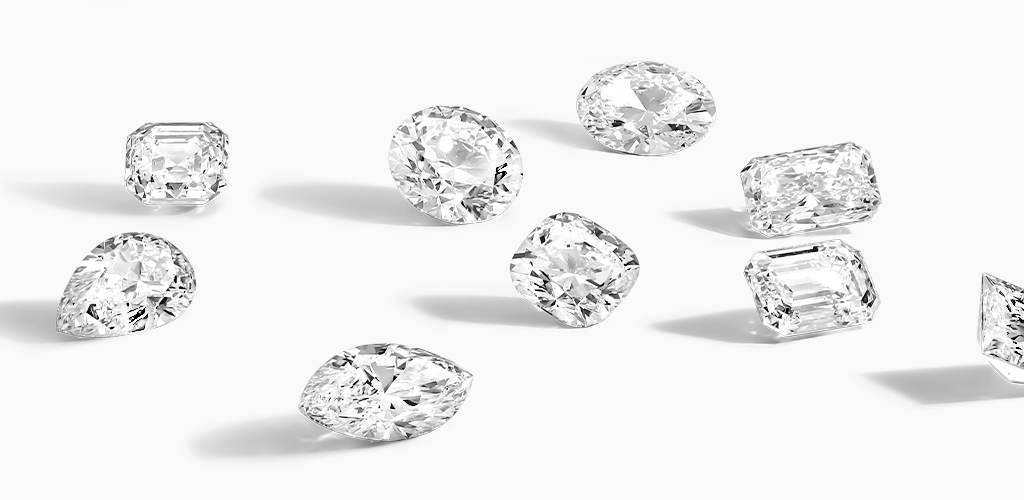


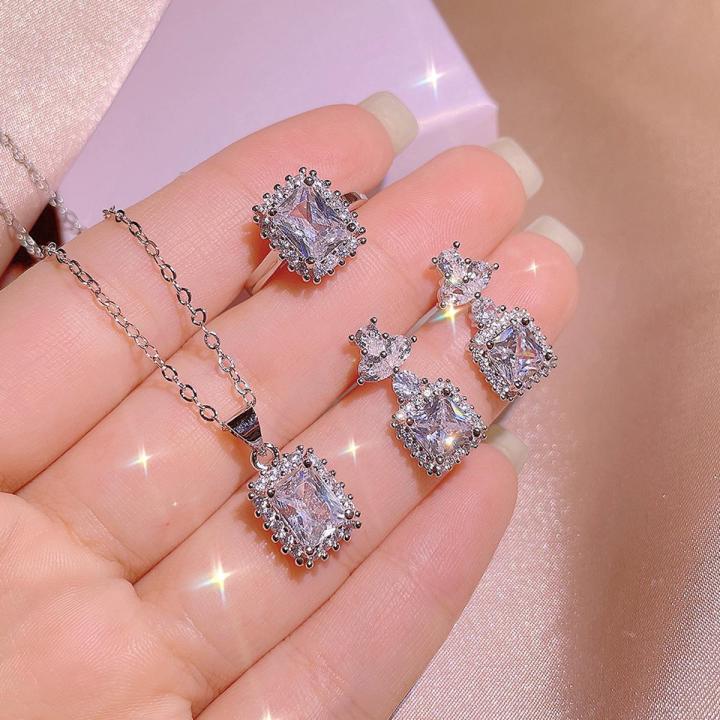
The world of gemstones has evolved dramatically over the past few decades, and lab diamonds have become a major part of this transformation. Many people are now choosing lab made diamonds over traditional mined diamonds, not only for ethical reasons but also for their affordability and identical physical properties. In this article, we will explore the concept of lab diamond initials, the nature of lab made diamonds, and why these terms are important in today’s jewelry market.
What Are Lab Diamond Initials?
Lab diamond initials refer to the engraved or inscribed markings found on lab created diamonds that help identify their origin and characteristics. These initials are usually microscopic and placed on the girdle of the diamond, ensuring they do not affect the diamond’s brilliance or appearance. Lab diamond initials serve several purposes:
-
Authentication: Lab diamond initials can verify that a diamond was created in a laboratory rather than mined from the earth. This is particularly important for buyers who want transparency about the origin of their gemstones.
-
Certification: Many lab made diamonds come with certification from recognized gemological institutions. These certifications often include the lab diamond initials to uniquely identify each stone.
-
Tracking: Lab diamond initials make it possible for jewelers and manufacturers to track each stone throughout its lifecycle, from creation to sale, and even for resale purposes.
Lab diamond initials are often paired with information about the diamond’s carat, color, clarity, and cut. For someone purchasing a lab made diamond, these initials offer peace of mind, ensuring that the stone meets high-quality standards and ethical production criteria.
The Rise of Lab Made Diamonds
Lab made diamonds have grown increasingly popular as awareness about sustainable and conflict-free jewelry spreads. Unlike natural diamonds, lab made diamonds are grown in controlled laboratory environments using advanced technological processes such as High Pressure High Temperature (HPHT) or Chemical Vapor Deposition (CVD). These processes replicate the natural conditions under which diamonds form, producing stones that are chemically, physically, and optically identical to mined diamonds.
There are several reasons why consumers prefer lab made diamonds:
-
Environmental Benefits: Mining natural diamonds can have significant environmental impacts, including habitat destruction and carbon emissions. Lab made diamonds minimize these environmental concerns.
-
Ethical Assurance: Lab made diamonds are free from the human rights abuses sometimes associated with diamond mining. Buyers can purchase a stone without worrying about conflict diamonds.
-
Cost-Effectiveness: Lab made diamonds typically cost 20–40% less than their mined counterparts, allowing buyers to get larger or higher-quality stones for the same budget.
Because of these benefits, lab made diamonds are not only a practical choice but also a socially responsible one. The combination of ethical sourcing and affordability has made them a mainstream option for engagement rings, fashion jewelry, and investment pieces.
Lab Diamond Initials in Consumer Awareness
Consumer awareness about lab diamond initials is critical. When a jeweler provides lab diamond initials along with certification, it communicates transparency and trustworthiness. Buyers can cross-reference the initials with gemological records to confirm the diamond’s authenticity. In some cases, lab diamond initials may also indicate the laboratory that produced the stone, giving additional credibility to the purchase.
Moreover, understanding lab diamond initials allows consumers to differentiate between lab made diamonds and imitation stones like cubic zirconia or moissanite. While these imitation stones may look similar to diamonds, they do not have the same physical properties. Lab diamond initials guarantee that the stone is a true diamond, just grown in a laboratory rather than formed in the earth.
Market Trends and Future Outlook
The lab made diamond market is expanding rapidly. According to recent industry reports, lab made diamonds are expected to account for a growing share of the global diamond market over the next decade. This growth is fueled by younger consumers who prioritize sustainability, transparency, and affordability in their purchases.
Lab diamond initials will continue to play an essential role in this trend. As lab made diamonds become more common, the ability to identify, authenticate, and certify each stone using initials will be critical for maintaining consumer confidence. Jewelers and manufacturers are investing in technologies to make these markings more durable, precise, and easily readable, ensuring that lab made diamonds retain their value and appeal.
Conclusion
Lab diamond initials and lab made diamonds represent a modern shift in the jewelry industry. Lab diamond initials provide authentication, certification, and traceability, giving buyers confidence in their purchase. Lab made diamonds offer an ethical, sustainable, and cost-effective alternative to mined diamonds. Together, these concepts are reshaping how consumers approach gemstone purchases, emphasizing transparency, responsibility, and quality.
As technology continues to improve, lab made diamonds will likely become even more accessible, and lab diamond initials will remain a crucial feature for identification and trust. Whether you are a seasoned collector or a first-time buyer, understanding these terms ensures you make informed choices and enjoy the brilliance of diamonds without compromise.
Lab diamond initials and lab made diamonds are not just industry terms—they are markers of a new era in jewelry, where science, ethics, and elegance come together seamlessly.